
Design Your Days by Designing Your Spaces

Today we dive into environmental cues and space layouts that scaffold daily habits. We will turn walls, light, objects, and pathways into gentle guides that make good choices easy, automatic, and satisfying, while inviting conversation, iteration, and joy in everyday routines.

From Intention to Action: Making Cues Impossible to Miss
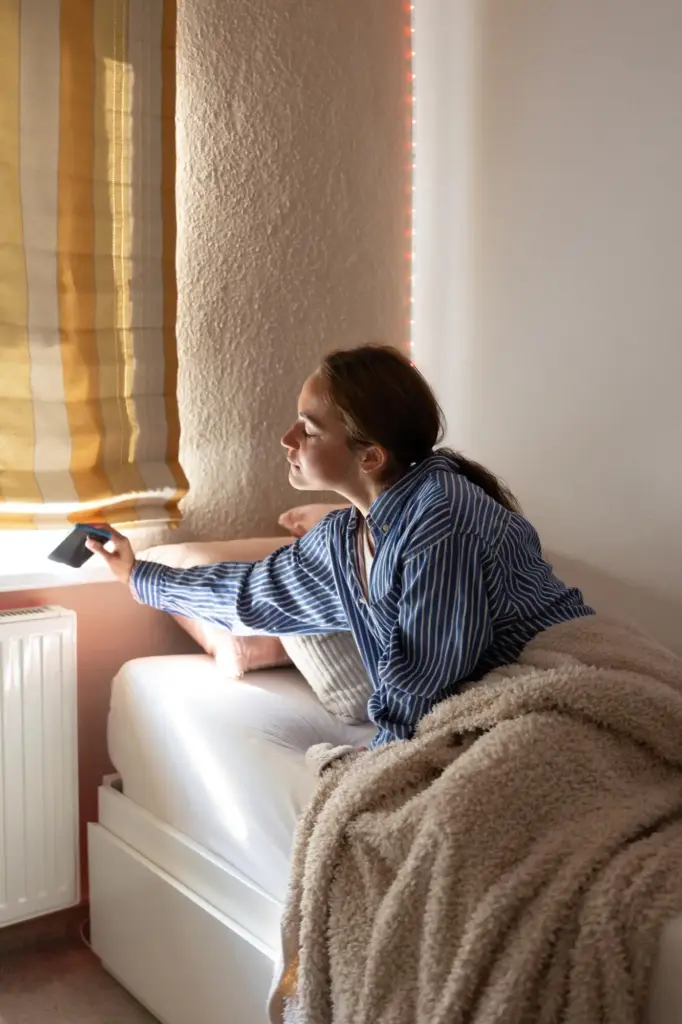
Good intentions struggle when cues are distant, dull, or hidden. By shaping sightlines, contrasts, reach distances, and default object positions, you can turn attention into reliable action. Here we translate behavioral science into tangible placements that whisper reminders instead of shouting commands, making adherence gentle, respectful, and repeatable. Try one tiny redesign today, note what improves, then share your results with our community.

Zoning Your Home and Office for Automatic Routines

Dedicated zones tell your brain what happens where, shrinking decision fatigue and ramping speed. When each intention has a physical home, setup time vanishes and cleanup becomes automatic. In homes and offices, micro‑environments stabilize routines by bundling tools, posture, lighting, and affordances. Start compact, iterate visually, and let the space announce the next move before willpower even wakes up.

Affordances, Layout, and the Language of Objects

Objects speak through shape, texture, and reachability. When their message aligns with your desired routine, effort plummets. Design handles that invite gripping, lids that beg to open, trays that suggest sorting. Calibrate weight and feedback so success feels satisfying. Your layout becomes instruction, no lecture required.

Make the Desired Action the Path of Least Resistance

Position fruit at eye level and cookies behind something opaque. Preload your notes app to the exact template you’ll use. Keep the foam roller on the route to the shower. The easiest path wins repeatedly, so engineer ease like a compassionate future friend.

Redesign the Default

Change what happens if you do nothing. Set your browser to open research tabs, not news. Store phone chargers away from the bed while placing a paperback within reach. Defaults are silent architects; adjust them once to redirect countless micro‑decisions toward stability.

Use Containers and Rails to Guide Flow

Trays, caddies, and wall rails create momentum by limiting options and clarifying sequence. A narrow tray for keys and mail prevents piles from sprawling. A rolling cart for art supplies moves creativity to wherever sunlight lands. Physical tracks invite progress without demanding extra thought.

Sunlight, Timers, and Scene Automations

Open blinds on a schedule that complements your wake window. Smart plugs can pre‑warm the kettle as a gentle start cue. Evening scenes should dim gradually and cool in color temperature. Let automation support consistency, while you reserve willpower for curiosity, craftsmanship, and presence.

Weekly Resets that Reboot Momentum

Choose a fixed hour to reset stations: refill staples, stage tomorrow’s first move, recycle clutter, refresh checklists. The ritual becomes a lighthouse in busier weeks. Quick visual wins restore trust in the system, proving to yourself that progress remains available with minimal friction.

Social and Narrative Signals That Keep Habits Alive

Humans take cues from one another and from the stories we repeat. Display commitments where supportive eyes can see them, and let identity‑affirming artifacts live where they prompt action. Encouragement beats surveillance; ambient accountability, narratives, and playful rituals keep routines warm, humane, and alive.

Measure, Tweak, and Sustain: The Iteration Playbook

Change sticks when you treat your environment like a living prototype. Audit wayfinding, friction, and cue strength regularly. Keep what works, retire what nags, and seasonally rotate prompts to regain freshness. Share experiments, subscribe for playbooks, and invite questions so we can learn together.
Lentorinopalotelitemipexi
Privacy Overview

This website uses cookies so that we can provide you with the best user experience possible. Cookie information is stored in your browser and performs functions such as recognising you when you return to our website and helping our team to understand which sections of the website you find most interesting and useful.